
Ericsson
Three development teams since 2016: secure remote network access (CAS) and a base station deployment platform (NDDP)

Background of the cooperation
Ericsson is a global manufacturer of mobile communication network equipment; the telecommunications industry has always been at the forefront of applying newly emerging technology solutions, and Ericsson is among the innovative players within it.
In June 2016 our company won Ericsson's tender in a close competition, within which three of our development teams – CAS Platform, CAS Access and NDDP – started working at Ericsson in July 2016. We provided an immediately deployable team of IT experts for running products under continuous development.
Project 1 – Customer Access and Security (CAS)
CAS is an internal remote access tool with which support engineers reliably and securely reach the switching points installed at telecom customers. It is a critical system: in the event of a mobile network failure or security incident, this is how engineers with the appropriate rights intervene as quickly as possible – the SLAs are strict, with recovery times in the order of half an hour.
The predecessor of CAS was a FreeBSD-based RSG from the 90s; by 2010 it had become obsolete and Ericsson decided to replace it – keeping the existing, usable elements. The Platform team's task was to build the connections (between Juniper, VMware and Linux devices; no boxed solution existed because of the complexity of connecting the networks), the Access team's task was rights management: who authorises, who may enter, temporary transfer of rights between support and the Ericsson network engineer, finely configurable authorisations behind a large database. Testing was largely automated, on both front-end and server side; the UI communicates via REST APIs.
Project 2 – Network Deployment Delivery Platform (NDDP)
NDDP is an internal application supporting the documentation of telecommunication base station deployment, the planning of the required hardware resources and order summary. Its main function is multi-level data collection on web and mobile clients, then synchronising the data with the company's backend systems. Besides functional development, an important part of the project is developing supplementary components for the .NET framework that are not available on the market, as well as a fast and efficient client-side framework.
One of the team's key tools is SDE (site design engineering tool), which significantly reduced delays caused by design errors through thoughtful, automated site planning. Since Ericsson achieved significant savings through the development of SDE, it decided to expand the team of experts to continue and speed up the project.
The team: 1 solution architect, 1 automated tester, 6 .NET developers – 8 people nearshore.
How we work
Following the Scrum methodology in two-week sprints; sprint changes – together with the demo – are held at the client's site, in close cooperation with the client's Product Owner. The teams develop in well-separated, partly independent areas with a high level of responsibility: their own product responsibility and delivery responsibility, with quality and timing acknowledged by the client. We take part in complex, distributed product development as a partner, with the opportunity to shape the final product.
- Client:
- Ericsson
- Project period:
- Continuously since 2016
- Technology:
- Java, Spring Boot, Vaadin, JAX-RS/JAX-WS C#, ASP.NET MVC 5, Web API, Entity Framework MS SQL Server, TypeScript, Knockout
photo — awaiting the client's material — Image
(kepek/0/kep)
More case studies
Real-time, two-way link between an Excel model and a PowerPoint presentation as an MS Office add-in – MVP in less than 6 months
Backend service development, testing and system integration with .NET technology, since 2020
Two projects in 2020: ADAS image sensor development with .NET and an AMS prototype with Mendix support



News & insights
Event
An ecosystem instead of applications: the new direction of enterprise IT
BlackBelt
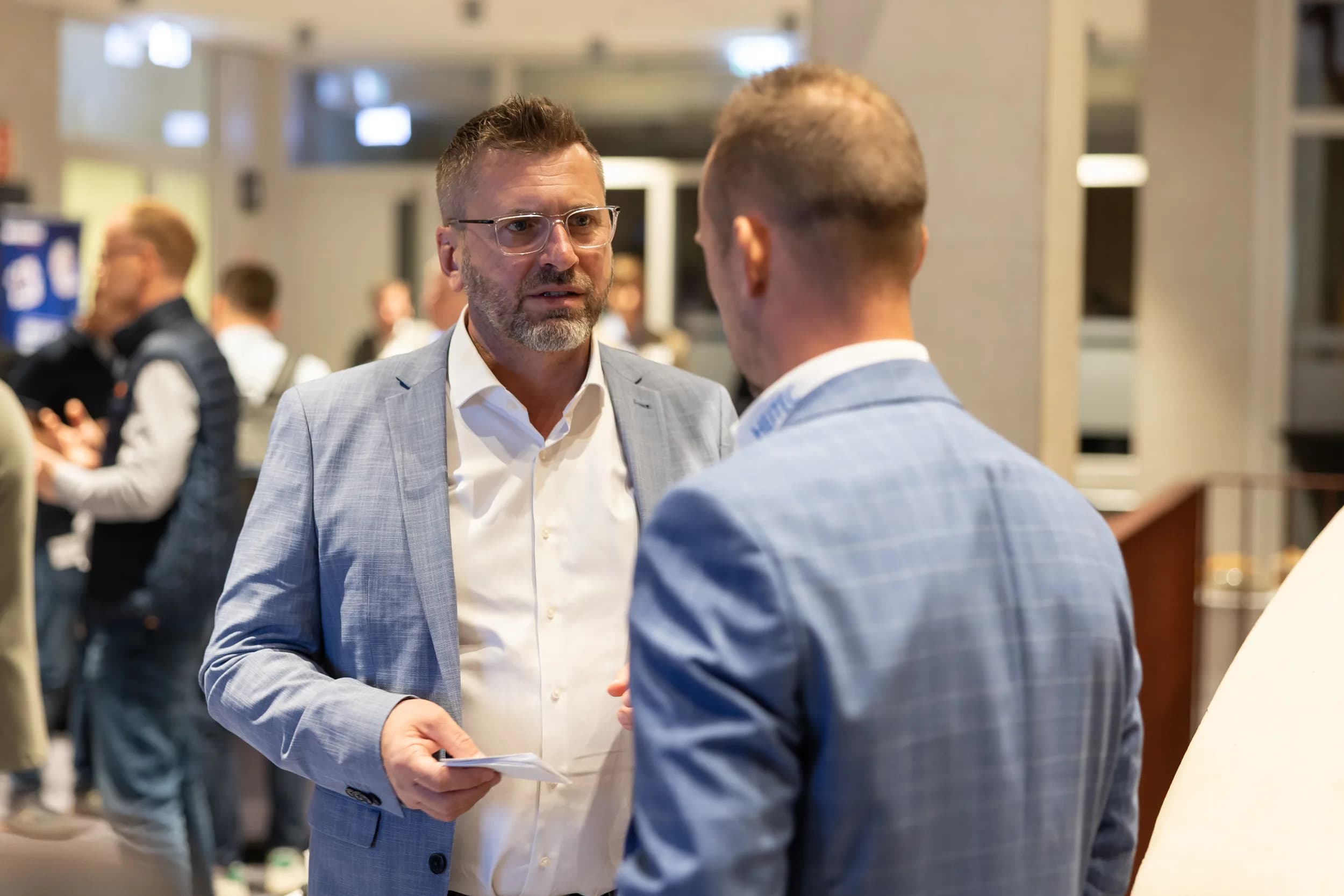
At the BlackBelt Business Breakfast at CEU on 29 September, 50 participants from 31 companies discussed how AI, digital customer experience and modernisation turn into business value.
2026-10-14

Case study
MBH Bank: a unified digital platform and faster process innovation with Mendix
Kővári Zoltán
Director, Rapid Software Development
After its triple merger, MBH Bank unified its processes with more than 40 Mendix applications in two years, supported by BlackBelt Technology as its Mendix partner.
2026-10-14

Blog
Digital customer experience: those who fall behind drop out
BlackBelt
The focus of digital customer experience is shifting from applications to outcomes: AI, Agentic AI and hyper-personalisation reduce customer effort in connected ecosystems, and that is what becomes measurable business value.
2026-10-14
Blog
Lower costs, greater flexibility: the new path of IT modernisation
BlackBelt
Modernising legacy systems no longer requires a one-off, high-risk system replacement: gradual transformation – microservices, composable ERP and a FinOps mindset – cuts costs while business operations continue undisturbed.
2026-10-14
Blog
The key to adopting AI is not the technology but the decision
Wolf András
Founding owner
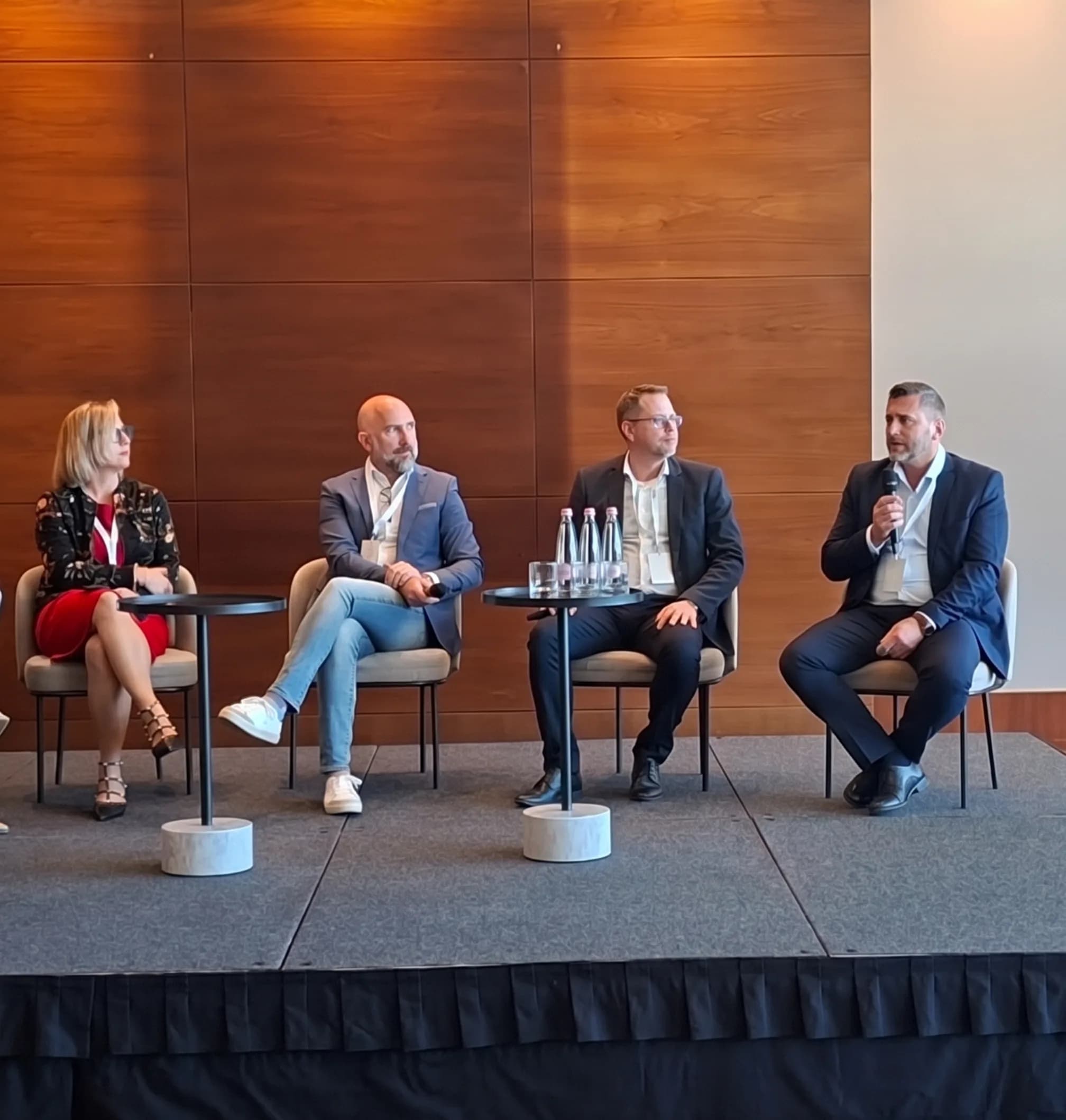
The lesson of the German–Hungarian Business Day panel discussion: the AI tools and the ideas are already there; whether adoption succeeds depends on who sets the direction and the entry points, and what the organisation consciously leaves for later.
2026-09-01
Contact us
- Phone:
- +36 1 611 0462
- Email:
- info@blackbelt.hu